
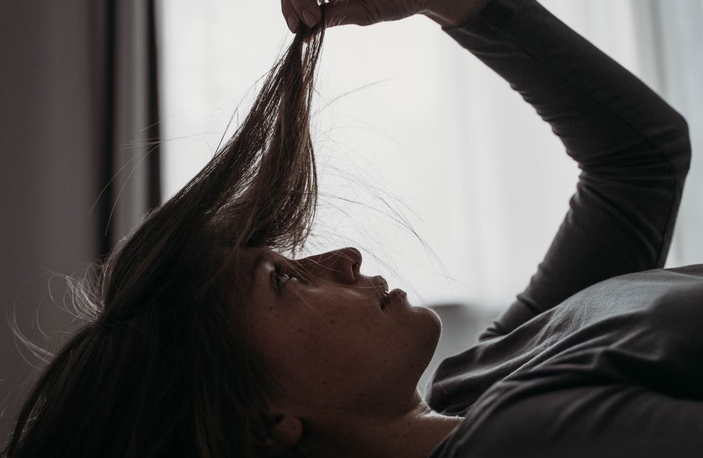
Hair pulling can sometimes seem to appear out of nowhere, but there may be a pattern hiding underneath the urge. For someone experiencing trichotillomania, certain emotions, situations, or surroundings can act like switches that make pulling urges stronger. Recognizing those moments can provide useful clues about what is happening. It can also make the experience feel less mysterious and easier to discuss with a trusted professional.
Stress
Stress is a common trigger for many repetitive behaviors, and hair pulling can become stronger during tense periods. A difficult day at work, an argument, or pressure at home may create emotional tension that feels difficult to release. Pulling can sometimes provide a brief sense of relief or release during that moment. That temporary feeling can make the behavior more likely to return during another stressful situation. Stress does not always arrive wearing a giant warning sign. Sometimes it appears as racing thoughts, tight muscles, irritability, or trouble settling down at night. A person may notice the urge while answering emails or dealing with an unpleasant conversation. Paying attention to these early signals can help reveal a connection between tension and pulling urges.
Boredom
Boredom can also play a role, especially during quiet activities that leave the hands free. Watching television, reading, sitting in bed, or scrolling on a phone can create long stretches where pulling happens almost automatically. There may be no major emotional crisis behind the behavior at all. The brain simply gets into a familiar groove while the hands start doing their own thing. This can make the habit surprisingly easy to overlook. Someone might suddenly realize they have been pulling while watching a show for twenty minutes. That moment can feel frustrating, but noticing it is still useful information. It identifies a situation that may deserve extra attention or a different activity for the hands.
Anxiety and Emotional Tension

Anxiety can create an internal feeling of pressure that makes repetitive behaviors more tempting. Worry about school, work, relationships, finances, or upcoming events may increase that tension. Hair pulling can sometimes become part of an attempt to manage those uncomfortable feelings. The behavior may provide a short-lived sense of calm, even if frustration follows afterward. Other emotions can play a part too. Anger, sadness, embarrassment, or emotional overload may precede an episode for some people. There is no single emotional formula that applies to everyone. The important point is that noticing emotional changes before an urge can help build a clearer personal pattern.
Certain Physical Sensation
Sometimes the trigger is surprisingly specific. A person may notice a particular hair that feels coarse, uneven, or different from the surrounding hair. That sensation can create a strong urge to touch, inspect, or remove it. Once attention locks onto that single hair, resisting the urge can become harder. The same process can happen with the scalp or another area where hair grows. Touching the area may become part of the sequence before pulling occurs. Recognizing this physical cue can be valuable because it happens earlier in the chain. A person may then have a better chance of pausing before the behavior continues.
Routine and Environment Can Shape Patterns
Certain places or routines can become strongly associated with pulling over time. Sitting in a favorite chair, spending time alone, or following the same bedtime routine may repeatedly provide the setting for urges. The environment itself is not necessarily the cause. Instead, familiar surroundings can become cues that make an established habit easier to repeat. The good news is that patterns can be observed without blaming yourself. Keeping brief notes about situations, emotions, and urges may help reveal recurring triggers. A mental health professional can also help someone understand these patterns and explore appropriate strategies. The goal is not perfection; it is building more awareness and finding support that makes difficult moments easier to handle.